

It’s Been A Good Ride
(L. C. Coon)
The words are on my Dad’s tombstone.
**********
Jesus is big on remembering. The Bible tells us so.
Deuteronomy primarily reviews Israel’s experiences after leaving Egypt. The events had been discussed in Exodus, Leviticus, and Numbers, but a time of reflection was needed before Israel entered the Promised Land.
Deuteronomy is second only to the Psalms in using the word remember.
· Remember that thou wast a servant . . . (Deuteronomy 5:15).
· Remember all the way in which the Lord led you . . . (Deuteronomy 8:2).
· Remember . . . how thou provokedst the Lord thy God to wrath . . . (Deuteronomy 9:7).
· Remember the days of old, consider the years . . . (Deuteronomy 32:7)
Remember, remember, remember. Remember bondage, deliverance, and your failures. Don’t gloss over the ugly. Deuteronomy excluded nothing from its reflection on Israel’s past.
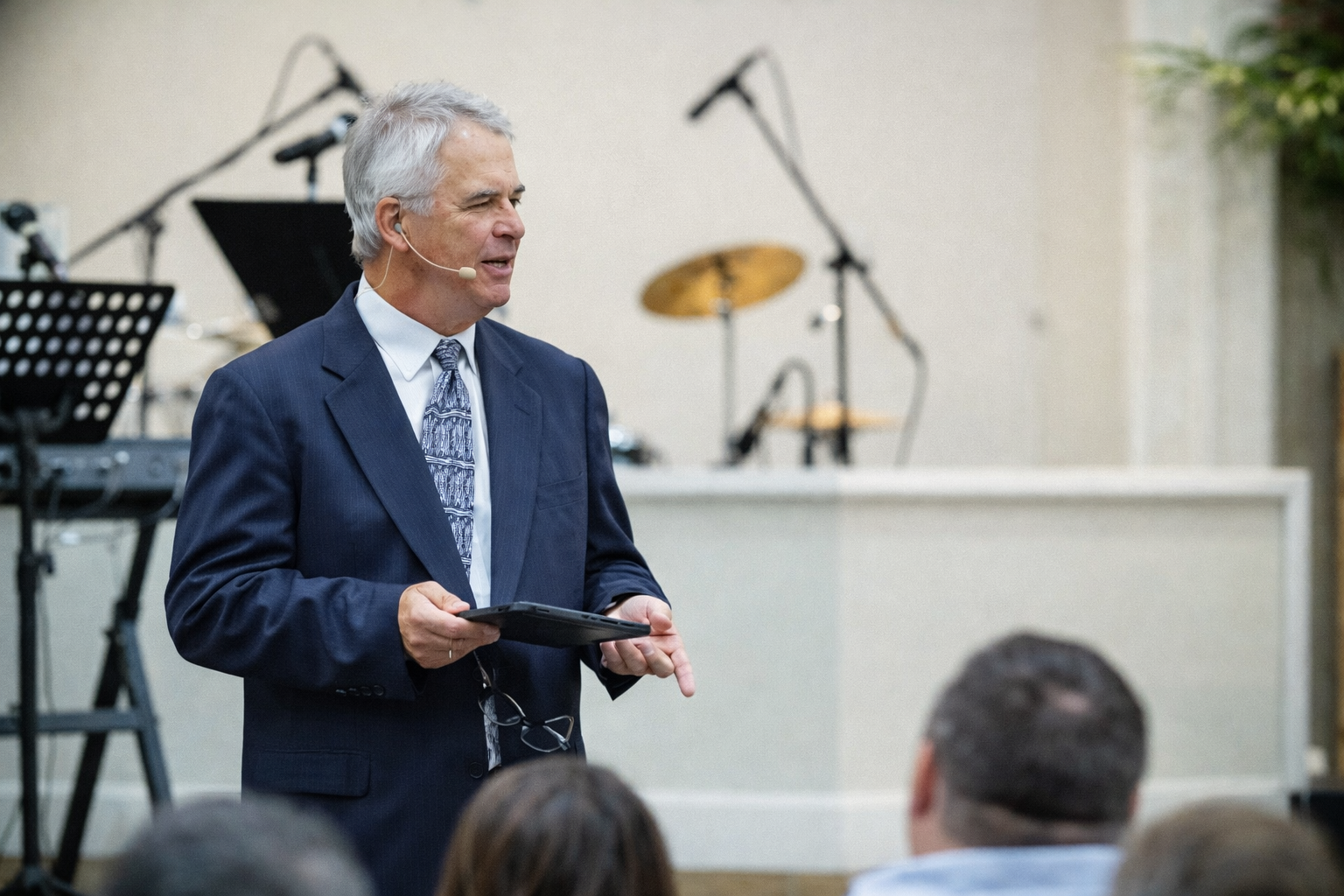
Carlton L. Coon, Sr., Co-Pastor/Blog Author
The Bible contains more evidence of the value of remembering. 1 Chronicles opens with nine chapters of genealogy providing institutional memory about people of the past. The Chronicles were written after Judah and Israel had been exiled to foreign lands.
The two Chronicles, more recently written than Samuel or Kings, contain little information not found in the four earlier books. 1 and 2 Chronicles are books of remembrance.
Remember his marvellous works that he hath done, his wonders,
and the judgments of his mouth;
1 Chronicles 16:12
The word “remember” appears 144 times in the King James Version (KJV). Remembering is essential. Remembering causes us to celebrate and consider what we would have done differently.
I will remember the works of the LORD: surely I will remember
thy wonders of old. I will meditate also of all thy work, and talk
of thy doings.
Psalms 77:11-12
Sage agers have a lifetime of memories to reflect on and eventually share with family and friends. Your experiences will provide wise stepping stones for others coming behind you. Writing your memories in a book will preserve them for future generations.[1]
The Advantage of Your Vantage
At times, retirees are stereotyped as people living in the past. Those younger imagine you sitting for long hours dreaming of people, places, and events long since gone.
For some Sage agers, the stereotype is accurate. Some choose to live in a world of reminiscences. Dementia, Alzheimer's, and other health issues leave some with no other world in which to live.
Grandma Addy, my great-grandmother, fits the stereotype. She had many Sears and Roebuck catalogs and a compilation of Jena Times newspapers. When visiting, my brother and I sat silent as Grandma Addy talked of people we did not know doing things we could not imagine.
You live in a different era. Advances in medical care and self-care have extended our lifespan. Many are active in their 70s, 80s, and 90s and want to engage in something engaging.
For example, my parents owned and operated A-1 Self-Storage until Dad was 87. Months before his death at 89, Dad lamented having sold the business. Dad worked at the company daily, and his mind and body remained active. My parent’s story is not unusual for retirees in the 21st century.
Reflecting on life is healthy, but don’t stop continuing to live. Keep adding more high points of your life. Pursue new challenges.
Calls to Action:
1. Create a list of "God's marvelous works" in your life, following the pattern of Psalms 77:11-12.
2. Collect and organize family photos, documents, and memorabilia, adding written context about the people and events described. It will preserve your family's institutional memory.
If you have an entrepreneurial bent, do as my parents and start a small business. If not, volunteer to do something that allows you to stay mentally and physically engaged, following the example of productive aging mentioned in the chapter.
[1] See Elder, Tell Me Your Stories, for assistance in preserving family memories.
The author has two books focused on the Sage age. Saging Well - the Best is Yet to Be is available as an audiobook, ebook, large print, or print at Amazon. Elder, Tell Me Your Stories is a hard-bound legacy book of questions to help tell your stories to others.
20% of revenue is donated to UPCI Sages.